
Dog Arthritis Checklist: 15 Early Signs to Watch For
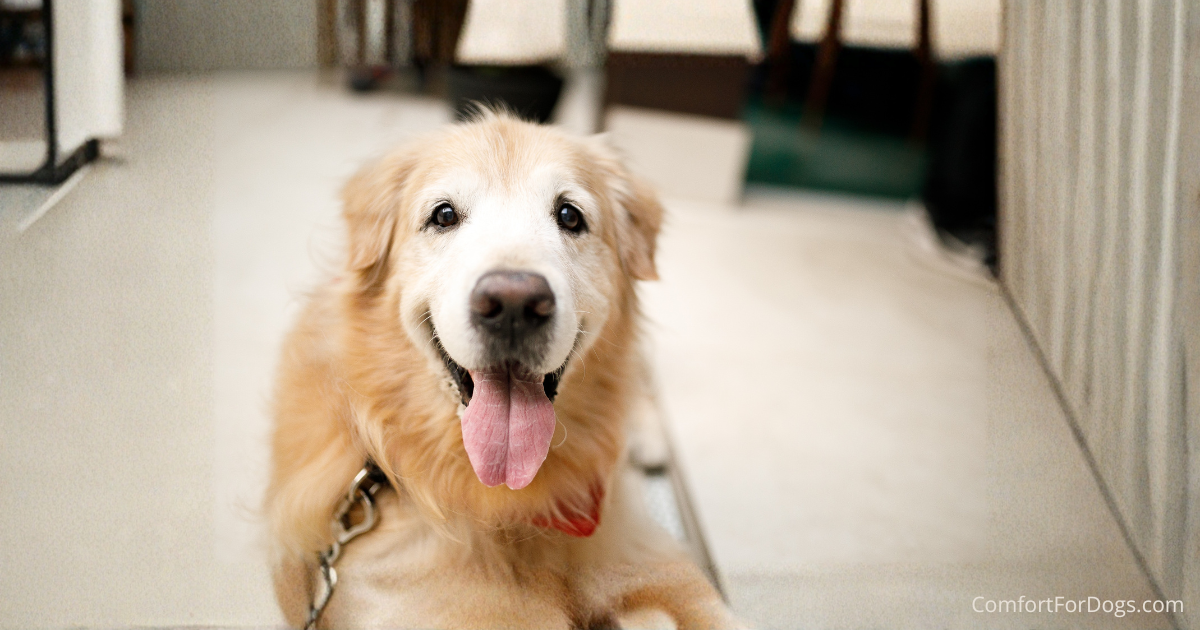
Is your dog slowing down, sleeping more than usual, or struggling to get comfortable? Arthritis is one of the most common health issues affecting older dogs, yet many owners miss the early warning signs.
This free dog arthritis checklist can help you notice changes in movement, comfort, sleep, and activity that may be worth discussing with your veterinarian.
Important: This checklist is not a substitute for veterinary care. If your dog shows signs of pain, limping, weakness, or sudden mobility changes, contact your veterinarian.
For additional information about arthritis and mobility issues in dogs, review resources from the American Veterinary Medical Association.
How to Use This Dog Arthritis Checklist
Review each sign below and check any that apply to your dog.
15 Signs to Watch for in Your Dog
☐ Difficulty standing after resting
☐ Stiffness when getting up in the morning
☐ Limping or favoring one leg
☐ Reluctance to climb stairs
☐ Reluctance to jump onto furniture
☐ Difficulty getting into vehicles
☐ Slower walks than usual
☐ Reduced interest in play
☐ Sleeping more than normal
☐ Difficulty finding a comfortable sleeping position
☐ Excessive licking of joints
☐ Muscle loss in the hind legs
☐ Irritability when touched near joints
☐ Changes in posture or gait
☐ Reduced overall activity level
What to Do With Your Observations
Checking one or more of these signs does not mean your dog has arthritis. Many of these changes can have different causes, and only a veterinarian can determine what is behind them.
Instead of focusing on how many boxes you checked, pay attention to:
- New changes in your dog’s movement, sleep, or activity
- Changes that are getting worse over time
- Signs that happen repeatedly rather than only once
- Pain, limping, weakness, or sudden mobility changes
- Changes that interfere with normal activities such as walking, standing, climbing stairs, or getting comfortable
Keeping notes about when these changes occur can give your veterinarian useful information during an examination.
Common Causes of Arthritis in Dogs
Several factors can contribute to arthritis and joint discomfort, including:
Age-Related Wear and Tear
As dogs age, joint cartilage naturally wears down, which can lead to inflammation and discomfort.
Previous Injuries
Old injuries can increase the risk of developing arthritis later in life.
Hip Dysplasia
This common condition can cause joint instability and long-term mobility issues.
Excess Weight
Additional weight places extra stress on joints and can accelerate arthritis symptoms.
Genetics
Certain breeds are more prone to arthritis and joint conditions than others.
How to Help a Dog With Arthritis
While arthritis cannot be cured, many dogs experience significant improvement with proper management.
Helpful strategies may include:
- Maintaining a healthy weight
- Providing low-impact exercise
- Using ramps or stairs to reduce joint strain
- Providing a supportive orthopedic dog bed
- Following your veterinarian’s treatment recommendations
If you’re noticing changes in your dog’s movement or activity, use our free Senior Dog Mobility Assessment to help organize what you’re observing and what may be worth discussing with your veterinarian.
When to Contact Your Veterinarian
Schedule a veterinary appointment if your dog experiences:
- Persistent limping
- Difficulty standing
- Sudden mobility changes
- Signs of pain
- Significant activity reduction
- Changes in appetite or mood
Early intervention often leads to better long-term outcomes.
Frequently Asked Questions
Can young dogs develop arthritis?
Yes. While arthritis is more common in senior dogs, younger dogs can develop arthritis due to injuries, joint abnormalities, or genetic conditions.
Does arthritis get worse over time?
Arthritis is generally progressive, but proper management can help slow progression and improve comfort.
Can exercise help dogs with arthritis?
Yes. Appropriate low-impact exercise often helps maintain muscle strength and joint flexibility.
What is the best bed for a dog with arthritis?
Supportive orthopedic beds are often recommended because they help reduce pressure on painful joints and improve sleep quality.
Additional Resources for Senior Dogs
If your dog struggles to get comfortable at night, read our guide on Dog Arthritis Sleep Tips for practical ways to improve sleep quality and reduce nighttime discomfort.
Final Thoughts
Many owners assume slowing down is simply a normal part of aging, but arthritis is often a contributing factor. Using this dog arthritis checklist can help you identify early warning signs and determine when it may be time to seek professional guidance.
The earlier arthritis is recognized, the more options are available to help your dog remain comfortable, active, and happy.